

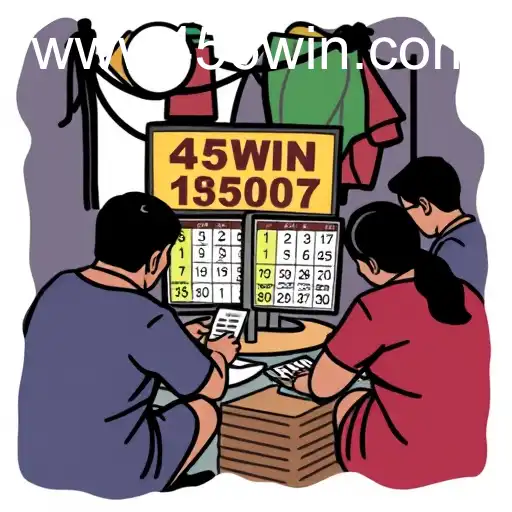
45WIN.COM | Understanding Jueteng and Its Impact on Society
Understanding Jueteng and Its Impact on Society
In the Philippines, a nation steeped in rich traditions and diverse cultures, gambling has always been an intriguing aspect of its social fabric. Among various forms of gambling, Jueteng holds a notorious place. Despite its illegal status, Jueteng continues to thrive across the nation, drawing both avid gamblers and those seeking a quick financial fix. This article delves into the enigmatic world of Jueteng and examines the role of modern platforms like 45WIN.COM in altering the traditional gambling landscape.
The Origins and Mechanisms of Jueteng
Jueteng is a numbers game that traces its roots back to the Spanish colonial period. Originating as a local adaptation of a Chinese lottery, Jueteng involves gamblers selecting a combination of numbers, typically from 1 to 37. The winning numbers are drawn, and those lucky enough to have chosen the right combination can claim their prize. Despite its simplicity, Jueteng is mired in controversy due to its illegal nature and perceived ties to corruption and organized crime.
Jueteng's Socio-Economic Role
One of the primary reasons Jueteng persists is its significant socio-economic impact. In many rural and urban communities, opportunities for employment and income are limited. Jueteng offers a semblance of hope, albeit through speculative means. It generates informal jobs, ranging from 'cobradors' who collect bets to 'kubradors' responsible for tallying and managing the numbers.
However, this economic influence is not wholly positive. The reliance on Jueteng for livelihood perpetuates a cycle of poverty and debt, as many players repeatedly invest their limited resources into the game, hoping for elusive success. The infusion of Jueteng earnings into the local economy is often shadowed by the losses incurred by players who seldom win.
Legal and Ethical Implications
The illegal status of Jueteng complicates its existence within the legal framework of the Philippines. Authorities struggle to regulate or eradicate it due to its deeply entrenched nature. Several attempts to legalize or replace Jueteng with government-sanctioned lotteries have met with limited success.
The ethical implications of Jueteng are also significant. The game often preys on vulnerable segments of the population, exploiting their fundamental desire for financial stability. Moreover, allegations of corruption and bribery linked to Jueteng operations highlight a pervasive issue within certain government and law enforcement sectors.
The Emergence of 45WIN.COM and Similar Platforms
With the advent of the internet and digital technologies, gambling has taken new forms. Platforms such as 45WIN.COM represent this evolution, offering a legal and technologically advanced alternative to traditional Jueteng. These online platforms provide users with a reinforced structure, transparency, and a safe environment to place bets on various games.
The shift towards online gambling platforms is reshaping traditional gambling practices. While 45WIN.COM and similar services might challenge the status quo, they also present an opportunity to mitigate issues associated with illegal gambling by offering regulated, traceable, and fair gaming options. These platforms are gaining popularity, particularly among younger demographics who are more tech-savvy and preferring legal avenues for their gambling pursuits.
Challenges and Opportunities for Reform
Addressing the challenges posed by Jueteng requires a multifaceted approach. Policymakers need to consider socio-economic reforms that provide alternative livelihoods for those dependent on Jueteng. Creating robust legal options through platforms like 45WIN.COM could also serve as a gateway to reducing the appeal of illegal games.
Furthermore, public education campaigns focusing on the risks associated with illegal gambling and the benefits of engaging with legal, regulated platforms could shift public perception. Such efforts could gradually diminish the societal reliance on Jueteng.
The integration of digital platforms offers a promising avenue for transforming the gambling culture in the Philippines. As online gambling becomes more mainstream, there is potential for transformative change, steering traditional gamblers towards legal, safer options.
Conclusion
In summing up, Jueteng remains a complex issue deeply ingrained in the social and economic tissues of Philippine society. Yet, the rise of digital platforms such as 45WIN.COM provides a beacon of hope for reforming entrenched gambling practices. Collaborative efforts between the government, private sector, and civil society are imperative to create sustainable alternatives for those affected and to pave the way for a future where gambling is fair, transparent, and beneficial to the community at large.


Mapa do Site Google